

Craft Beer
Eco Myth Bust of the Month: "Aluminum Is More Powerful Than You Think"
Eco Myth Bust of the Month: “Aluminum Is More Powerful Than You Think”
If you saw our social post this month, here’s the deeper dive. The short version: aluminum cans are not just cute shelf candy. They are lightweight, protective, recyclable, and made to keep up with real life.
The bigger takeaway is simple: packaging should do more than hold a product. It should protect it, support it, and help it move smarter from production to shelf.
Why this myth keeps popping up
A lot of people think packaging is packaging. As long as it contains the beverage, it is doing its job.
But aluminum brings more to the table. It is built for performance, which matters in the beverage world. From breweries and energy drinks to RTDs, kombuchas, sparkling waters, and soft drinks, brands need packaging that can handle production, transportation, storage, and the customer experience.
Aluminum does not just show up. It shows up prepared.
Why aluminum works so well
Aluminum has a few major benefits that make it a strong choice for beverage packaging:
- It is lightweight: Less weight means easier movement from production to shelf, and that matters when you are shipping at scale.
- It helps protect the product: Aluminum blocks out light and helps protect beverages from outside elements that can affect flavor, freshness, and quality.
- It is recyclable: Aluminum has serious comeback energy. Once recycled, it can be turned into something new instead of being treated like a one-time-use material.
- It looks good: Aluminum cans give brands room to stand out with bold graphics, clean finishes, and creative designs that catch attention before the first sip.
Why this matters for beverage brands
Today’s consumers care about more than what is inside the can. They notice how a product looks, how convenient it feels, and what kind of packaging it comes in.
For brands trying to connect with modern consumers, aluminum is more than packaging. It is part of the experience.
A can has to work hard. It needs to protect the beverage, support the brand, travel well, and still look good on a shelf, in a cooler, or in someone’s hand at an event. Aluminum checks a lot of those boxes.
The real takeaway
Aluminum is not just another packaging material. It is lightweight, protective, recyclable, and designed for real-world use.
At Can-One USA, we believe packaging should do more than contain a product. It should protect it, support the brand behind it, and help move the industry toward smarter solutions. Aluminum brings strength, style, and sustainability together in one package.
That is not hype. That is the benefit of building with a material designed to keep going.
Eco Myth Bust of the Month: “Cans leave a metallic taste.” (They don’t.)
Eco Myth Bust of the Month: “Cans leave a metallic taste.” (They don’t.)
If you saw our social post this month, here’s the deeper dive. The short version: modern aluminum cans are designed so the beverage never directly touches the metal. Inside the can is a thin protective liner that acts as a barrier between the drink and the aluminum. That means the flavor inside is the flavor the brand intended, not something added by the can. On top of that, cans help protect beverages from light and excess oxygen exposure, which can affect freshness over time.
WHY PEOPLE THINK THIS
Drinking from the rim
Sometimes what people notice is the feel or temperature of the can itself, not the liquid inside.
Perception vs. product
Packaging can influence how we experience a drink, but that does not mean the can is changing the flavor.
Old assumptions
A lot of people still picture bare metal, when in reality beverage cans are engineered with interior protection built in.
HOW CANS ACTUALLY PROTECT FLAVOR
Protective liner inside
The beverage is separated from the aluminum by an interior coating designed for product safety and performance.
Blocks light
Unlike clear packaging, cans keep light out, which helps protect taste and quality.
Limits oxygen exposure
Less exposure helps beverages stay fresher and more consistent from filling line to first sip.
WHY THIS MATTERS FOR BEVERAGE BRANDS
Flavor consistency matters
Customers expect the same taste every time they open a can.
Packaging does more than look good
A can is not just branding, it is part of how the product stays protected through shipping, storage, and sale.
Freshness supports shelf appeal
When packaging helps preserve what is inside, brands get both performance and presentation.
What about the “metal taste” people swear they notice?
Most of the time, that comes down to perception, not the drink itself. The scent, chill, and feel of the can can shape the overall experience, especially when sipping directly from it. But the liquid inside is not supposed to be picking up a metallic taste from the aluminum.
For breweries & beverage brands
If flavor protection matters, cans are doing more work than people think.
If your product depends on freshness and consistency, packaging choice is part of the equation.
Want a package that helps protect the drink while still showing up strong on shelf? Aluminum cans are built for both.
At Can-One USA, we produce cans that are built to do more than look good. They help protect beverage quality, preserve freshness, and support a consistent experience from production to first sip.
Eco Myth Bust of the Month: All Can Liners Contain BPA
Aluminum cans have become a go-to package for brands that care about product quality and sustainability. But liner conversations can get messy fast, especially online. One of the most common claims we hear is that every can liner contains BPA. It sounds definitive, and it can feel like a dealbreaker. In reality, can liners are selected based on beverage chemistry and performance needs, and BPA is not automatically the default. If you zoom out, the real story is about fit, function, and making smart decisions with the right specs in hand.
The Myth
All aluminum can liners contain BPA.
The Reality
BPA-NI (non-intent) liner systems are widely available and qualified for many beverages. The liner choice is driven by what is inside the can, not by a one-size assumption.
Why Liners Exist in the First Place
A can liner is a protective barrier between the beverage and the metal. It helps prevent corrosion, protects flavor, and supports shelf-life stability. The right liner helps your product taste the way you intended from first fill to last sip.
Product Chemistry Drives Liner Selection
Different beverages behave differently inside a can. That is why liner selection depends on factors like:
pH and Acidity
High-acid products need a liner that can handle that environment without compromising taste or performance.
Alcohol Content and Formulation
Higher ABV products and certain RTD cocktails can require specific liner performance to maintain stability over time.
Citrus Oils and Flavor Extracts
Citrus oils, botanicals, and strong flavor extracts can be aggressive. They may demand a liner system designed for that chemistry.
Process and Shelf-Life Requirements
Pasteurization, hot fill, storage conditions, and desired shelf life all influence what liner system is appropriate.
Why This Matters
Blanket assumptions slow down decisions and can lead to the wrong choice. The right-fit liner protects taste, quality, and package integrity while supporting your broader sustainability goals. Aluminum is highly recyclable, and liner selection is about protecting the product without overcomplicating the package or the process.
A Practical Tip
When you brief prepress or kick off a new can run, include product specs upfront. The details that help us recommend the right BPA-NI or alternative system include ABV, pH or acidity range, and any key ingredients like citrus oils or extracts. The more we know early, the smoother your project goes.
At Can-One USA, we help brands match liner systems to real beverage chemistry, not assumptions. If you want our liner fit cheat sheet or want us to review your product specs for the best path forward, reach out and we will help you dial it in.
Eco Myth Bust of the Month: Can Color, Design, and Sortability
Eco Myth Bust: Can Color, Design, and Sortability
Eco Myth Bust of the Month: Do Sleeves Beat Printed Cans for Sustainability?
When it comes to sustainable packaging, sleeves can seem practical and flexible for short runs or fast refreshes. The assumption is that sleeves are just artwork on top of a recyclable can, so the impact must be minimal. Sustainability is not about appearances. It is about how a package moves through sorting, recycling, and remelting. Take a closer look, and the idea that sleeved cans are the greener default does not hold up.
The Myth
Sleeved cans are more sustainable than printed cans.
The Reality
The environmental performance of a package depends on how well it sorts, how cleanly it recycles, and how few extra steps it requires.
Sortation and Mixed Materials
Sleeves and full-wrap labels introduce plastics and inks that change how a container behaves on the line. Automated systems are tuned to identify, eject, and capture bare aluminum efficiently. Extra layers can interfere with that signal and reduce capture rates.
Detectability and Yield
A sleeved can may be harder for optical sensors to read as metal, which can lead to misses, manual rework, or diversion to lower value streams. Every miss is a yield loss that dilutes recycling benefits.
Contamination and Energy
If sleeves stay on through processing, the non-aluminum material must be removed or burned off. That introduces contaminants that increase energy use and can lower the value of recovered metal.
Label Removal Logistics
Sleeves can be made to come off, but removal adds a step. If it does not happen at the filler or a pre-processor, the burden shifts downstream where it is less controlled and more costly.
Why Printed Cans Often Stand Out:
- Mono-material design: Artwork sits directly on aluminum, so the package reads as aluminum at every stage.
- Clean sortability: Eddy current separators and optical systems identify and eject the can with high reliability.
- Higher-quality scrap: Fewer non-metal layers can mean cleaner furnaces and better metal recovery.
- Simple operations: No sleeve inventories, no shrink tunnels, fewer points of failure on the line.
- Consistent branding: Modern direct print delivers vibrant color, crisp microtype, and repeatable results.
At Can-One USA, our prepress team converts label art to direct print, sets trapping and overprints correctly, and aligns ink targets with the press crew so the first case looks like the proof and the tenth reorder matches. You get shelf impact without extra materials that complicate recycling.
Why It Matters
Real sustainability comes from systems that work in the real world. Municipal programs, MRF technology, and remelters are optimized to recover aluminum efficiently. The more your package aligns with that system, the more likely it is to become a new can quickly. Brands that remove unnecessary layers improve yield, reduce contamination, and make it easier for consumers to do the right thing without extra instructions.
A Practical Tip
If you must sleeve, design for removal and make the step obvious in your workflow. Choose sleeves that can be cleanly taken off before baling, avoid heavy laminates and foils, and print clear recycling cues. Better yet, move that artwork into direct print. For rotating SKUs or seasonals, use digital mockups to confirm color and hierarchy, then lock files with a print-ready checklist. You will protect sortability, shorten lead times, and keep your sustainability story simple and credible.
Ready to evaluate your current lineup or convert a sleeve to direct print? Our team can review files, build quick mockups, and guide your next run.
Eco Myth Bust of the Month: Is Glass Always the Greener Choice?
Eco Myth Bust of the Month: Is Glass Always the Greener Choice?
Eco Myth Bust of the Month: Is Glass Always the Greener Choice?
When it comes to sustainable packaging, glass has long been viewed as the “greener” option. Its natural look and history of recyclability makes it appealing to brands and consumers alike. But sustainability isn’t about appearances, it’s about measurable impacts. And when we take a closer look, the assumption that glass is automatically the most sustainable choice doesn’t always hold up.
The Myth
Glass packaging is automatically the most sustainable choice.
The Reality
The environmental footprint of packaging materials depends on several key factors, and glass doesn’t always come out ahead.
Transport & Weight
Glass is heavy, often up to ten times heavier than aluminum for the same volume of beverage. That weight matters when it comes to transport. Heavier loads require more fuel, producing higher greenhouse gas emissions during shipping. Over long distances, the carbon footprint of glass can significantly outweigh its perceived benefits.
Recycled Content
Not all glass is made equal. Some bottles contain high percentages of recycled content (cullet), while others use mostly virgin material. Recycled content reduces impact, but many supply chains struggle to provide enough quality cullet to meet demand.
Breakage & Waste
Glass is fragile. Breakage during transport or on the shelf results in lost product and wasted resources, not just the bottle, but also the liquid inside, the energy to fill it, and the fuel to ship it.
Local Recycling Systems
Glass recycling infrastructure varies widely. Some municipalities collect glass curbside; others don’t. In certain regions, glass is landfilled or downcycled into aggregate instead of being made into new bottles.
Why Aluminum Often Stands Out
Aluminum offers several advantages that make it a strong competitor in sustainability discussions:
- Lightweight & Transport Efficient – Reduces emissions across the supply chain.
- Infinitely Recyclable – Unlike glass, aluminum can be recycled again and again without losing quality.
- High Scrap Value – Its economic value makes aluminum more likely to be collected and recycled.
- Closed-Loop Potential – A recycled aluminum can might be back on the shelf as a new can in as little as 60 days.
For beverages traveling long distances, aluminum’s transport efficiency and recyclability often makes it the lower-impact choice compared to glass.
Why It Matters
Sustainability is not one-size-fits-all. The right choice depends on your product, your market, and your supply chain. A glass bottle shipped 50 miles may have a smaller footprint than a can shipped across the country, but reverse the scenario, and the outcome changes.
Making packaging decisions based on context, not myths, helps beverage makers reduce their environmental impact while delivering products reliably to consumers.
A Practical Tip
When evaluating packaging options, don’t just ask “glass or can?” Instead, consider the entire journey, from plant to warehouse to retailer, and your region’s recycling setup. Sustainability lies in lifecycle thinking, not assumptions.
One-Year Production Celebration
One-Year Production Celebration at Can-One USA
Editor’s note (October 6, 2025): We’re sharing this recap a few months after the event to highlight key takeaways and thank everyone who made our first year possible.
August 1, 2025 · Nashua, NH
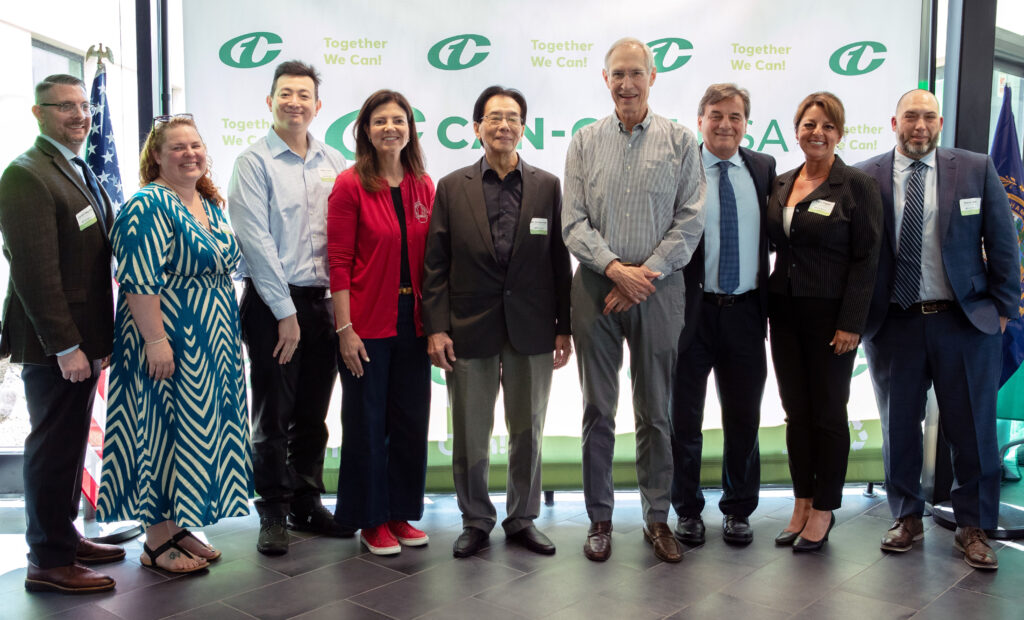
On August 1, 2025, we celebrated one year of production at our Nashua facility, an incredible milestone made possible by our team, customers, and community partners. We were honored to welcome several special guests, including Founder and Owner Jin Hoe Yeoh, New Hampshire Governor Kelly Ayotte, Nashua Mayor Jim Donchess, and Daniel Heying, attending on behalf of U.S. Senator Jeanne Shaheen. Their presence underscored the importance of American manufacturing and the momentum we’re building here in New Hampshire.
The evening brought together employees across operations, quality, and customer service; customers and supplier partners from the region; and local leaders who share our vision for innovation in sustainable aluminum packaging. Tours and conversations spanned from can decorating and print quality, lead-time planning, and the role of local sourcing in reducing freight miles while improving responsiveness for our partners. Guests saw firsthand how proximity to our customers enables faster decision-making, tighter feedback loops, and the ability to pilot new formats without the risk of overbuying.
In the spirit of community, we also highlighted two organizations creating meaningful impact in Greater Nashua. End 68 Hours of Hunger provides weekend food bags to students who rely on free school meals, helping bridge the gap between Friday and Monday, and Nashua Soup Kitchen & Shelter that offers compassionate food assistance and emergency shelter services for neighbors in need. We’re proud to support both missions and encourage others to get involved through volunteerism, donations, or corporate partnerships.
As we reflect on the past year, we’re grateful for the creativity and grit that brought us here, and excited for what’s ahead. Thank you to everyone who joined us to mark this milestone and to those who cheer us on every day. Here’s to another year of growth, partnership, and bold ideas in Nashua. Together, we can keep building a more resilient, responsive, and sustainable packaging supply chain for the region and beyond.
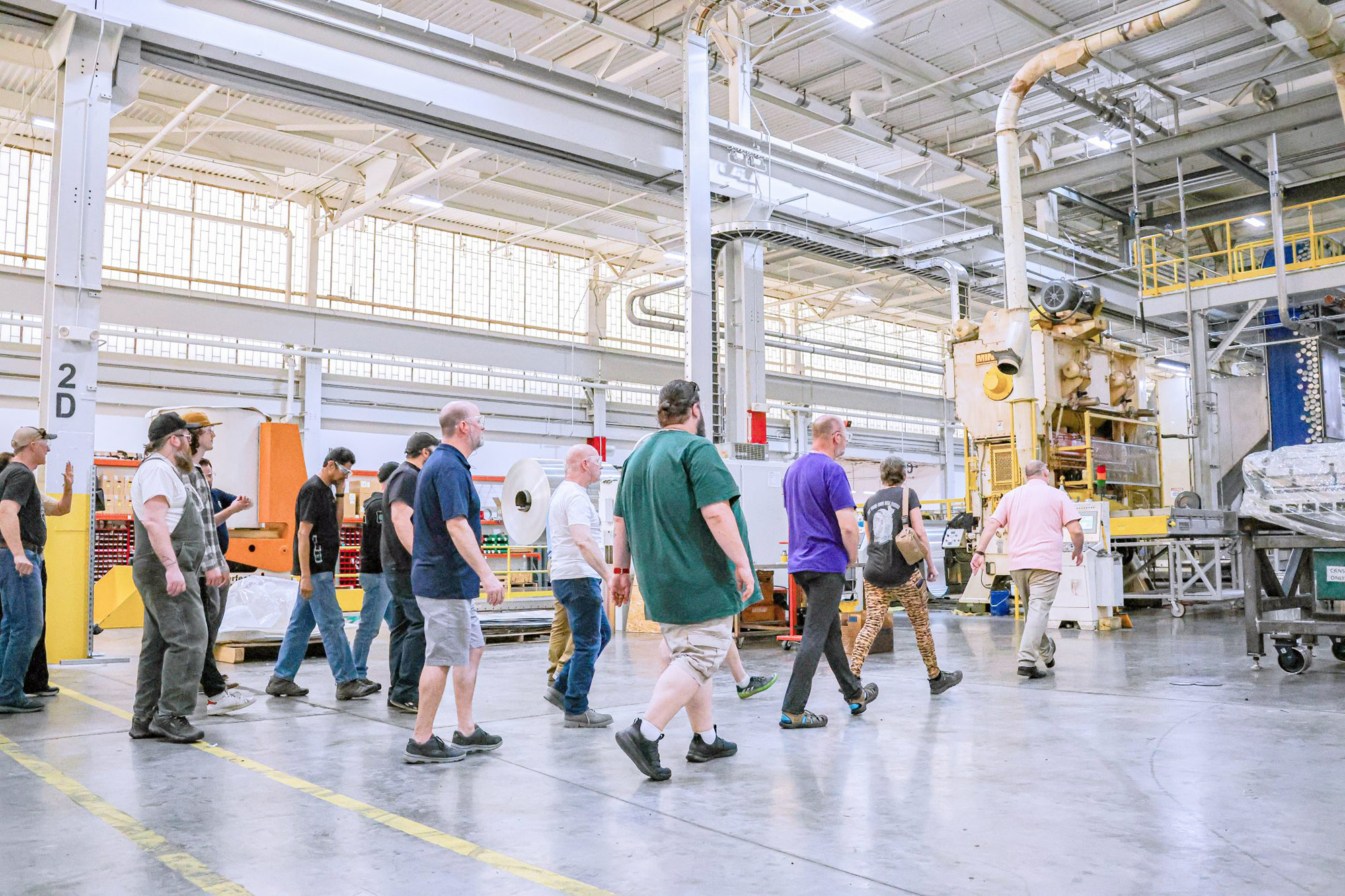
Kicking Off Summer with Brewers' Tour
Kicking Off Summer with Brewers’ Tour
A big THANK YOU to the incredible brewers who joined us for lunch and a tour of our facility at Can-One USA the day after Memorial Day!
We were honored to host:
- Spyglass Brewing
- Martha’s Exchange
- Dam Brewhouse
- RiverWalk Brewing
- Ogie Brewing
- Great North Aleworks
It was a great day of good conversations, shared goals, and growing connections — all inside New England’s only aluminum can manufacturing facility, right here in Nashua, NH.
If you’re a New England brewer looking for a reliable, local can partner (with brite and direct-printed options), our doors are open.
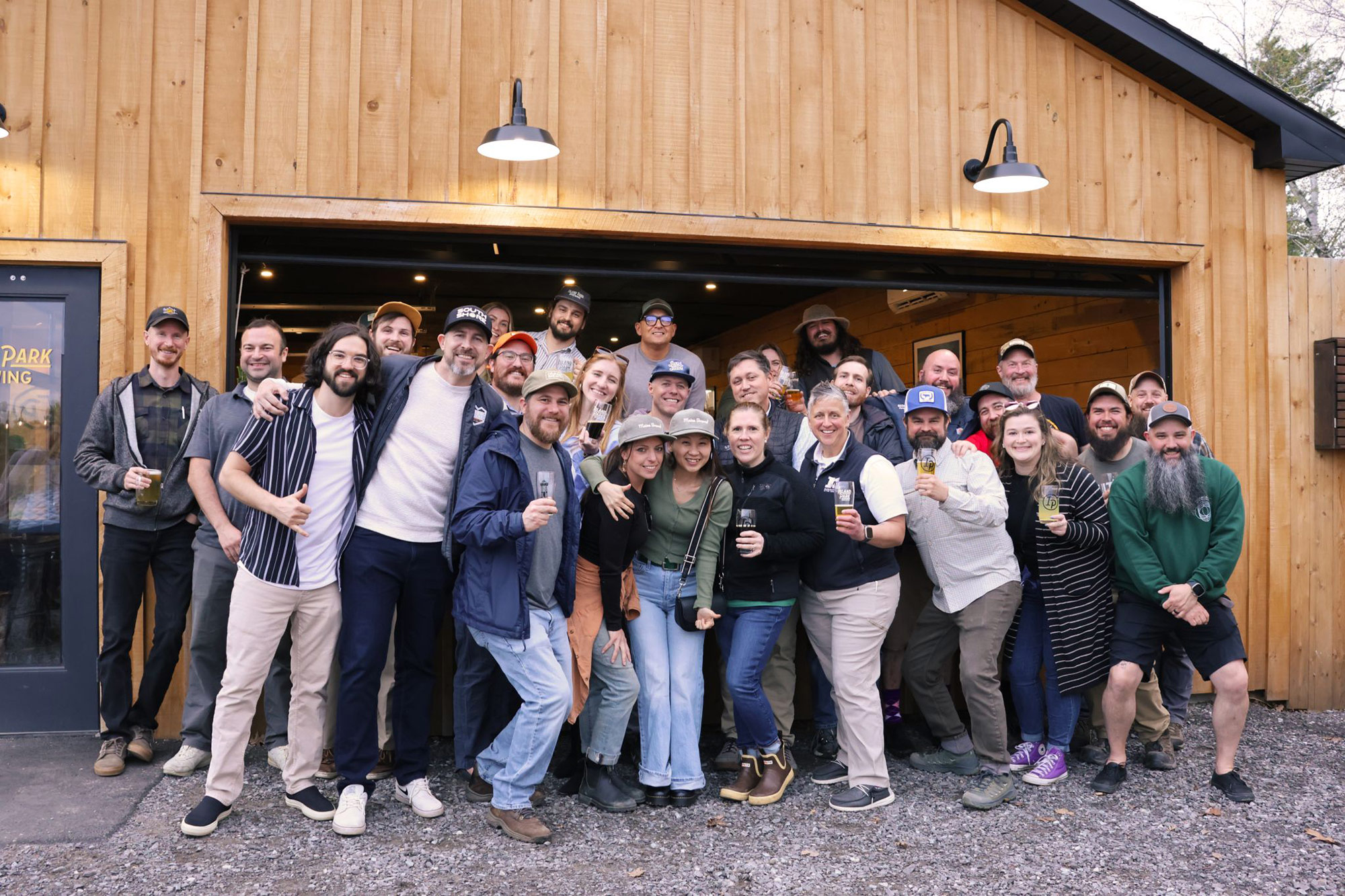
Maine Brewers' Guild Q2 Meetup
Maine Brewers’ Guild Q2 Meetup at Island Park Brewing
Can-One USA was proud to sponsor the open bar and connect with so many incredible craft brewers from across the state. It was a great evening of conversation, collaboration, and community — exactly what the craft industry is all about.
A big thank you to Island Park Brewing for hosting such a welcoming venue, and to Cushnoc Brewing for keeping everyone well-fed with amazing pizza!
And of course, huge thanks to Sarah and the Maine Brewers’ Guild for putting together a seamless event. We’re excited to build lasting partnerships with the brewers of Maine and beyond.
Looking forward to what’s next!
Eco Myth Bust of the Month: Does “Local” Always Beat Logistics?
When brands set sustainability goals, “local sourcing” is often the first lever they pull. It sounds simple: fewer miles equals fewer emissions. And sometimes, that’s true. But supply chains do not run on miles alone. They run on load planning, routing, carrier networks, and how efficiently product is made and moved. If the “local” option requires multiple partial shipments, extra stops, or inefficient production, it can create more emissions than a slightly longer haul that ships smarter. Sustainability is not just about distance. It is about the full logistics plan, end to end.
The Myth
The nearest supplier is always the most sustainable.
The Reality
Carbon impact comes from the whole system: production efficiency plus transportation efficiency. Routing, load factor, and backhauls can matter as much as miles.
Full-Truckload vs Partial Loads
A full-truckload (FTL) from an efficient regional plant can outperform multiple less-than-truckload (LTL) shipments from a closer source. Why? Because every additional shipment adds handling, stop-and-go routing, and often more total miles across the network. One well-planned lane can beat several fragmented moves.
Load Factor and “Air Shipping”
A half-full truck is still a full truck on the road. If orders are split into smaller, frequent shipments, you can end up “shipping air” repeatedly. Higher load factor means more product moved per trip, which usually improves emissions per unit delivered.
Routing and Stops
Direct lanes are typically cleaner than multi-stop routes. LTL networks can involve terminals, transfers, and extra touches that increase travel and fuel. Even if the origin is closer, the path may be less efficient.
Backhauls and Empty Miles
One of the biggest hidden drivers of freight emissions is empty miles. If a carrier can secure a backhaul, the return trip is productive instead of wasted. A supplier with strong lane density and predictable volume can often support better backhaul opportunities, improving the efficiency of the whole route.
Why “Efficient Regional” Often Wins:
-
Consolidated shipping: Full pallets, fuller trucks, fewer trips
-
Predictable lanes: Fewer stops and less handling
-
Lower empty miles: Better backhaul potential through stronger networks
-
Better planning: Campaign scheduling and cadence reduce last-minute LTL
-
System-wide sustainability: Emissions reduced across production and freight, not just one segment
At Can-One USA, we help customers plan ship cadence around real demand so freight stays consolidated. When you share forecasts, we can align production runs, build full pallets, and structure lanes that reduce trucks on the road while keeping service reliable.
Why It Matters
Scope 3 emissions are not a marketing headline. They are a math problem. The most sustainable supply chains are the ones designed to run efficiently in real-world conditions: fewer shipments, better lane planning, less rework, and fewer “just-in-case” emergency moves. When brands look beyond “closest” and start optimizing the full plan, they often reduce both emissions and cost at the same time.
A Practical Tip
Share your forecast and expected ship cadence early. Even a simple monthly estimate helps unlock smarter freight planning: consolidated lanes, full pallets, and fewer partials. If you are currently shipping frequent LTL loads, ask whether those orders can be combined into a regular FTL cadence or a consolidated regional route. You will make your sustainability story more credible and your logistics plan a lot less chaotic.
Ready to sanity-check your current shipping pattern and see where consolidation could reduce trucks and emissions? Our team can walk through your cadence, lane options, and the FTL vs LTL tradeoffs.